
Una valle incantata nell’appennino ligure in via di spopolamento fa da sfondo alle avventure di un gruppo di ragazzi adolescenti che tentano di preservarla dalla distruzione a cui vogliono destinarla adulti distratti e abbagliati da illusioni di ricchezza e potere. Lottando per salvare la bellezza della valle ognuno salva qualcosa: la scuola, la casa, la famiglia, la dignità. E qualcuno salva se stesso.
An enchanted depopulated valley in the Apennines is the backdrop to the adventures of a group of teenagers who try to preserve it from the destruction to which distracted adults, dazzled by illusions of power, want to send it. Everyone saves something: school, family, dignity, and someone saves himself.
Quest’opera nasce dal desiderio di realizzare un film per ragazzi, con la consapevolezza di doverlo fare praticamente a costo zero, se si esclude il costo della mia attrezzatura fotografica. Naturalmente non avevo la possibilità di pagare nessuno, né tanto meno di usufruire di costose location: come tutto si sia combinato sembra davvero un regalo dal Cielo.
Sul set abbiamo sempre lavorato in due, massimo tre: io, la madre coraggiosissima di un alunno e, talvolta, una seconda. Ho insegnato loro le basi e mi hanno aiutato ad organizzare: senza di loro nulla sarebbe stato possibile.
Ci siamo occupati di tutto: audio, video, recitazione, organizzazione, tenere insieme 14 ragazzi… insomma, un bell’azzardo per un film di due ore e con 90 scene.
Ma la difficoltà maggiore è stata forse quella iniziale. Scrivere e riscrivere la sceneggiatura è stato un processo lungo e laborioso e per la stesura mi ci sono voluti complessivamente 9 mesi. Le emozioni che mi muovevano all’inizio erano quelle dell’intrigo, volevo creare una sorta di cospirazione, ma al tempo stesso volevo trattare il bullismo: due cose che di per sé non si parlano molto. Il ponte è stato il rapporto tra padre e figlio e il senso di identità e di appartenenza al luogo.
Lavorare come insegnante mi ha fatto poi notare come i ragazzi adolescenti siano spesso esageratamente reattivi e avevo il desiderio di fare realmente qualcosa per loro.
Pratico meditazione da più di 20 anni e ho iniziato quando ne avevo 20. Negli ultimi anni ho praticato anche Ki-Aikido insieme ad un signore della valle: ho imparato molte cose sulla non-reattività, sul perdono, sulla calma interiore, su come dirigere l’attenzione. Credo fermamente che siano elementi importanti che dovrebbero essere insegnati fin da piccoli e che dovrebbero far parte anche della nostra cultura occidentale. Desideravo che queste filosofie, questi insegnamenti così universali si fondessero in modo gentile e delicato con la cultura locale. Credo anche nell’importanza dell’insegnante come riferimento nella vita, un ruolo che forse emerge sempre meno nella scuola attuale.
Sono stato molto fortunato ad avere tra i miei alunni un gruppo di ragazzi che hanno preso con estrema serietà l’idea di girare un film e ci hanno messo impegno e passione. E’ stato anche bello perché, in mezzo a mille imprevisti ed ostacoli, siamo diventati un gruppo affiatato.
Abbiamo passato diversi pomeriggi insieme nel bar del paese per aggiustare la sceneggiatura e plasmarla sulle loro personalità, così come ho fatto poi con altri protagonisti che non sono attori di professione. Chiedevo loro “come diresti questa frase?” “cosa faresti se fossi in questa situazione”?. Questo modo di fare ha reso il linguaggio molto realistico ed anche loro si sono sentiti molto più sereni nel recitare…e poi sono stati dei veri eroi: siamo arrivati a girare a dicembre in maniche corte!
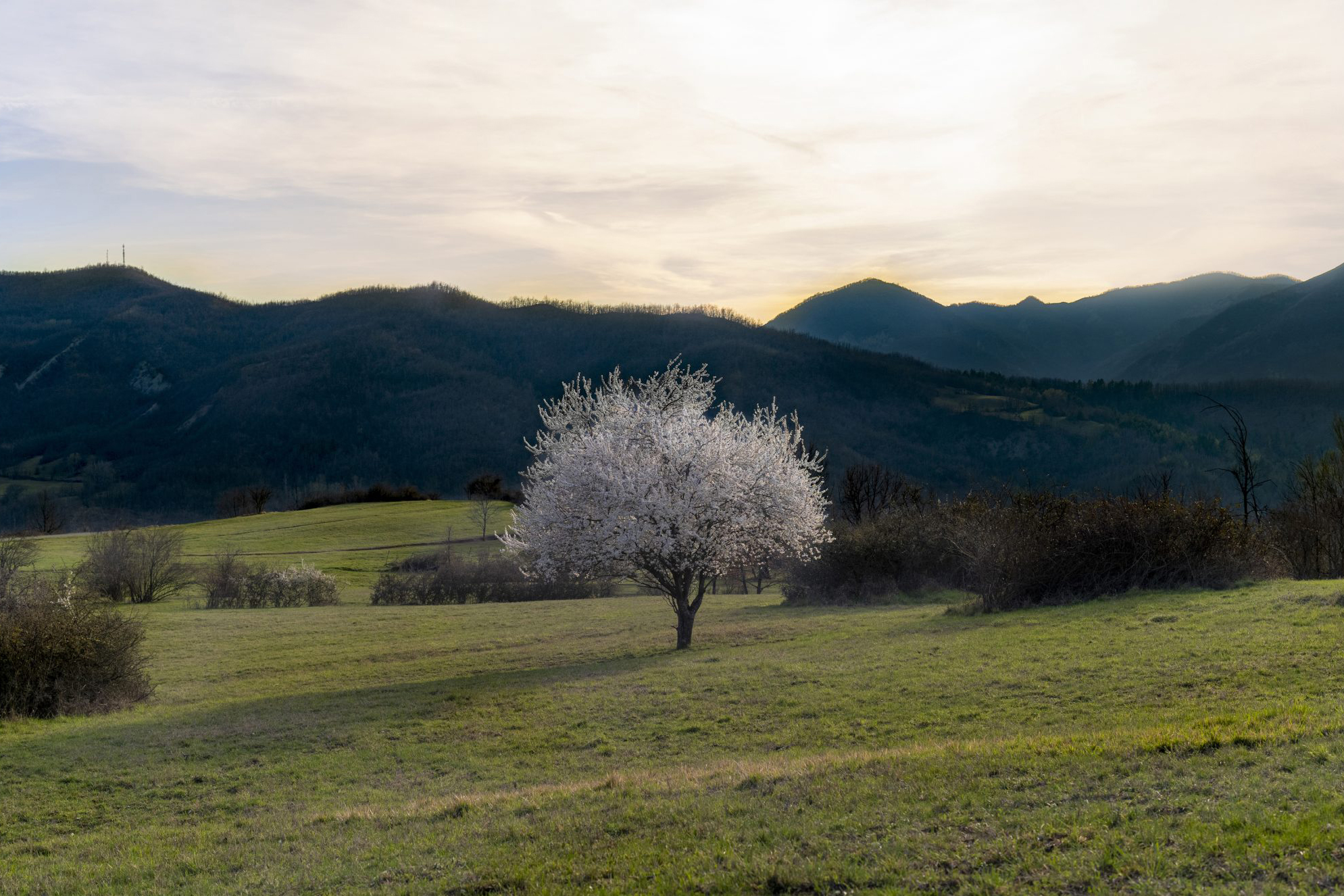
Ho passato l’inverno in attesa di un finale degno della storia, un posto che veicolasse quella pace interiore che volevo trasmettere, ma che suggerisse anche che, al di là del mondo esterno, la vera pace risiede dentro ogni essere umano. Ricordo di essermi svegliato una mattina di marzo con in mente un albero di ciliegio solitario in fiore. Ho mandato un messaggio a una delle mamme che mi stavano aiutando chiedendole dove avessi potuto trovare un simile albero nella valle. Dopo 5 minuti mi arrivò una foto: finalmente avevo trovato dove filmare la conclusione del “Il posto più bello”.
This work was born from the desire to create a film for young audiences, with the awareness that it had to be made practically at zero cost, aside from the expense of my photography equipment. Naturally, I had no possibility of paying anyone, nor of using expensive locations; the way everything came together truly feels like a gift from Heaven.
On set, we always worked in a team of two, at most three: myself, the incredibly brave mother of one of my students, and occasionally a second helper. I taught them the basics, and they helped me organize things, without them nothing would have been possible.
We took care of everything: audio, video, acting, organization, and managing a group of 14 kids… quite an ambitious endeavor for a two-hour film with 90 scenes.
But perhaps the greatest challenge was at the very beginning. Writing and rewriting the script was a long and laborious process, taking me a total of nine months. The emotions driving me at the start were intrigue, I wanted to create a sort of conspiracy, but at the same time, I wanted to address bullying, two topics that don’t naturally intersect. The bridge between them became the father-son relationship and the sense of identity and belonging to a place.
Working as a teacher made me notice how adolescents tend to be overly reactive, and I felt a strong desire to do something meaningful for them.
I have been practicing meditation for over 20 years, starting when I was 20. In recent years, I have also practiced Ki-Aikido with a man from the valley, learning a great deal about non-reactivity, forgiveness, inner calm, and how to direct attention. I firmly believe these are important lessons that should be taught from an early age and should be more present in our Western culture. I wanted these philosophies, these universally valuable teachings, to blend gently and harmoniously with the local culture. I also believe in the importance of the teacher as a guiding figure in life, a role that perhaps is becoming less evident in today’s schools.
I was incredibly lucky to have a group of students who took the idea of making a film very seriously, dedicating themselves with effort and passion. It was also wonderful because, despite countless unforeseen challenges and obstacles, we became a close-knit group.
We spent many afternoons together at the village café, fine-tuning the script and adapting it to their personalities, just as I did with other protagonists who were not professional actors. I would ask them, “How would you say this sentence?” or “What would you do in this situation?” This approach made the dialogue much more realistic and helped them feel more at ease while acting. And they were true heroes: we even ended up filming in December wearing short sleeves!
I spent the winter searching for a worthy ending to the story, a location that would convey the inner peace I wanted to express while also suggesting that, beyond the external world, true peace resides within every human being. I remember waking up one morning in March with the image of a solitary cherry tree in bloom in my mind. I sent a message to one of the mothers helping me, asking where I might find such a tree in the valley. Five minutes later, I received a photo: at last, I had found the perfect place to film the conclusion of The Most Beautiful Place.